Memorandum: Hhkb Lite2 For Mac
Happy Hacking Professional 2. Topre Capacitive Switches. USB.
Ultra Compact 60-key layout. 2-port integrated hub. BONUS: 60cm USB cable and Lavender WASD Model: PD-KB400B Stock: NO Price: $225. 00 No ETA. Topre Capacitive Switches. USB.
Ultra Compact 60-key layout. 2-port integrated hub. Non-Printed.
BONUS: 60cm USB cable and Lavender WASD Model: PD-KB400BN Stock: NO Price: $225. 00. Topre Capacitive Switches. USB.
Ultra Compact 60-key layout. 2-port integrated hub. BONUS: 60cm USB cable and Lavender WASD Model: PD-KB400W Stock: NO Price: $225.
00. Topre Capacitive Switches. USB. Ultra Compact 60-key layout.
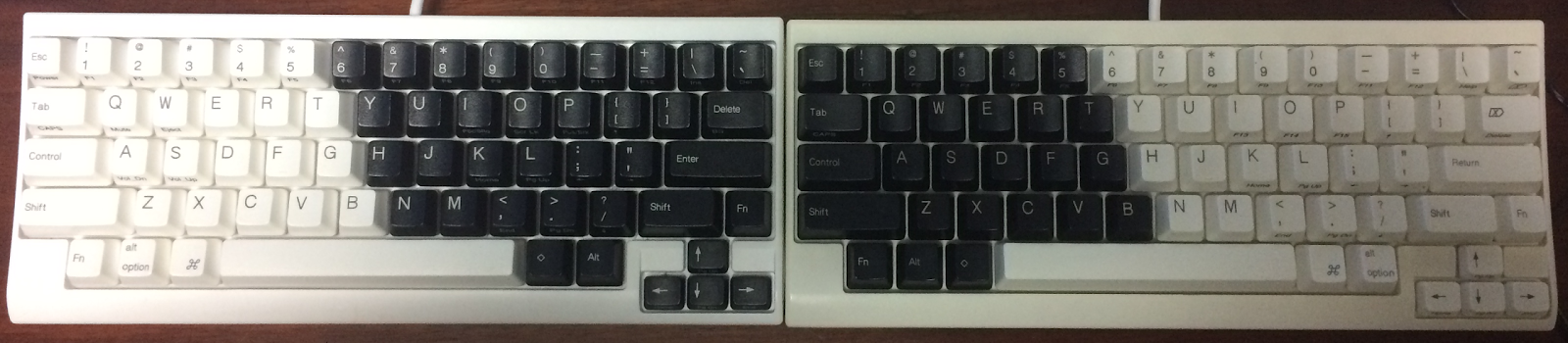
2-port integrated hub. Non-Printed. BONUS: 60cm USB cable and Lavender WASD Model: PD-KB400WN Stock: YES Price: $209. 00. Topre Capacitive Switches w/Silencing.
USB. Ultra Compact 60-key layout. 2-port integrated hub. Non-Printed. BONUS: 60cm USB cable and Lavender WASD Model: PD-KB400WNS Stock: NO Price: $310. 00 No ETA. Topre Capacitive Switches w/Silencing.
USB. Ultra Compact 60-key layout. 2-port integrated hub.
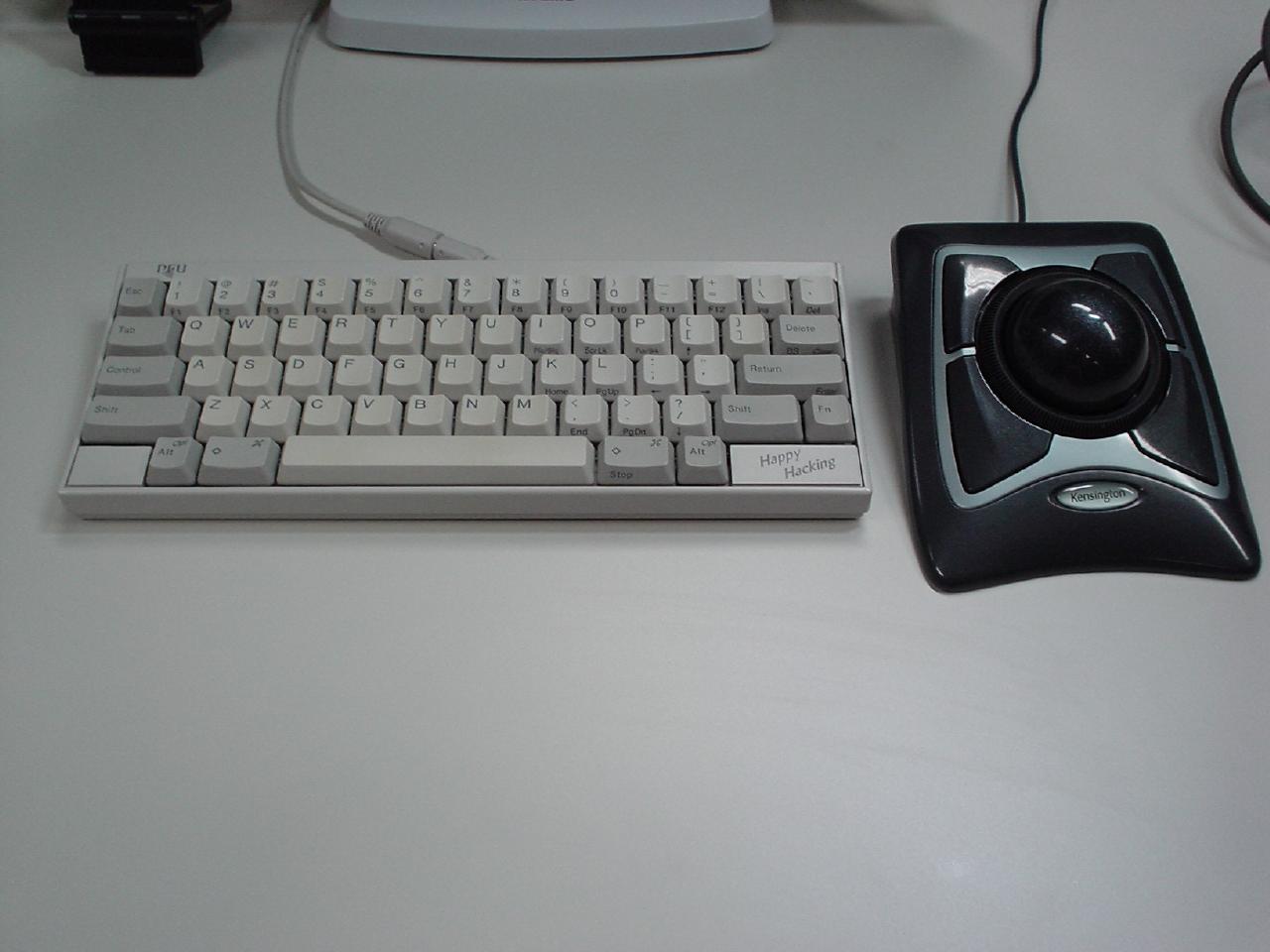
BONUS: 60cm USB cable and Lavender WASD Model: PD-KB400WS Stock: NO Price: $310.
This article requires photographic illustration Page is under construction This article is a. You can help Deskthority. Happy Hacking Part number. PD-KB02/S. PD-KB02/P. PD-KB02/M Branding Happy Hacking Keyboard Manufacturer Layouts 60-key modified US ANSI Keyswitches Interface. PD-KB02/S - SUN Connector.
PD-KB02/P -. PD-KB02/M - Weight 520g The Happy Hacking Keyboard (styled HHKB) is a family of keyboards targeted towards computer hackers as well as UNIX users, with a seminal ultra-compact layout. The original 1996 model and the subsequent Lite family use conventional membrane switches, while the Professional range introduced in 2003 moved to high quality. Contents. Conceptualisation Happy Hacking Keyboard was co-developed by PFU and Dr. Wada is a Japanese computer pioneer as well as a emeritus professor at University of Tokyo whom suggested a compact/minimal keyboard layout for use on computers in favour of the various other keyboards that were commercially available at the time.
Wada noticed the changes with each and every release of Sun workstation comes with a keyboard that has subtle changes in the layout along with the lack of standardisation with keyboards in general. Wada had contacts in PFU and so the journey of HHKB design began with the first technical review. In the first technical review, Dr.
Wada proposed the idea of swapping the Caps Lock key with Ctrl key due to the very natured way of how UNIX treats case-sensitivity. In his paper he indicated and cross referenced for instance that when typing the 'ls' command, it is not similar to 'LS'. The 'ls' command on UNIX and UNIX-like operating systems is equivalent to a directory listing (on DOS/Windows it is similar to the command 'dir'). This change was implemented on a 'Alpha keyboard'. He later resented the idea of having number pads and arrow keys on the keyboard which further reinforced the idea of a more compact layout that is now only found on HHKB Professional2, HHKB Professional HG as well as early HHKB Professional and Lite variants.
Amongst the Ctrl key being swapped, the idea of having the Esc key is too far away on a normal keyboard which he disliked. As a result of the Ctrl key also being swapped, it seemed harder to hit Del key in addition to the fact with the Sun Type 4 keyboard having the Backspace key above the Yen and bar (¥ ) keys. So a backspace was favoured instead. TODO: Better translations for reasons with Meta and Function keys. This then progressed onto another technical review of the keyboard in which Dr. Wada named it the 'Aleph keyboard'. At this point in time Sun Type 3 and Sun Type 4 had good layouts.
The idea of inverted trapezoid (for mainly the alphabetical keys) in staggered formation was better to follow it. The inverted trapezoid layout for alphabetical keys would mean a transition from the JIS layout to ANSI layout whereby the Enter key for instance is shaped differently compared to JIS (JIS being using the same shape as ISO layout for Enter key). TODO: Some more reasons explained by Dr. Wada but cannot be understood. At this point in time Dr. Wada wrote a poor piece of article in a magazine however PFU understood what Dr. Wada wanted with his ideal layout.
Wada then focused on working out the dimensions of the keyboard which was 297mm × 105mm which was more or less fit within the dimensions of a A4 paper. Wada decided to retain the standard key pitch which was 3/4 inches or 19.05mm. TODO: More translation work needed. At this point in time Aoyama suggested the location of the Fn key which enabled access to Function and arrow keys.
TODO: Finish the remaining abstraction. Keyboard The very first HHKB featured a detachable connector and was available in three different connectors (followed by their applicable part numbers). PFU Model Number Connector Number of Keys Layout Total Weight (without cable) Release Date Discontinued Date PD-KB02/S SUN 60 Modified US ANSI 520g PD-KB02/P 60 Modified US ANSI 520g PD-KB02/M 60 Modified US ANSI 520g Happy Hacking Keyboard was launched on the December 20, 1996 with no indications of the price and was discontinued on December 27, 2005 following the announcement to cease production on December 12, 2005. At the time of the launch Happy Hacking Keyboard did not come out with Mac compatibility. This feature was later added on November 7, 1997. The Mac variant (PD-KB02/M) with the ¥29,800 (Japanese Yen) price tag was also discontinued on December 27, 2005.
These keyboards were built to comply with Dr. Wada's ideal compact keyboard with some slight variations to the overall design. Among the ideas that Dr.
Hhkb Dip
Wada did not propose for instance was the amount of various connectors available for the keyboard alone. On January 12, 1999 PFU saw a favourable reception from HHKB owners and applied price cuts of up to 33%. The revised price tag for any of the three Happy Hacking Keyboards was ¥19,800 with any extra connectors priced at ¥3,000 each.